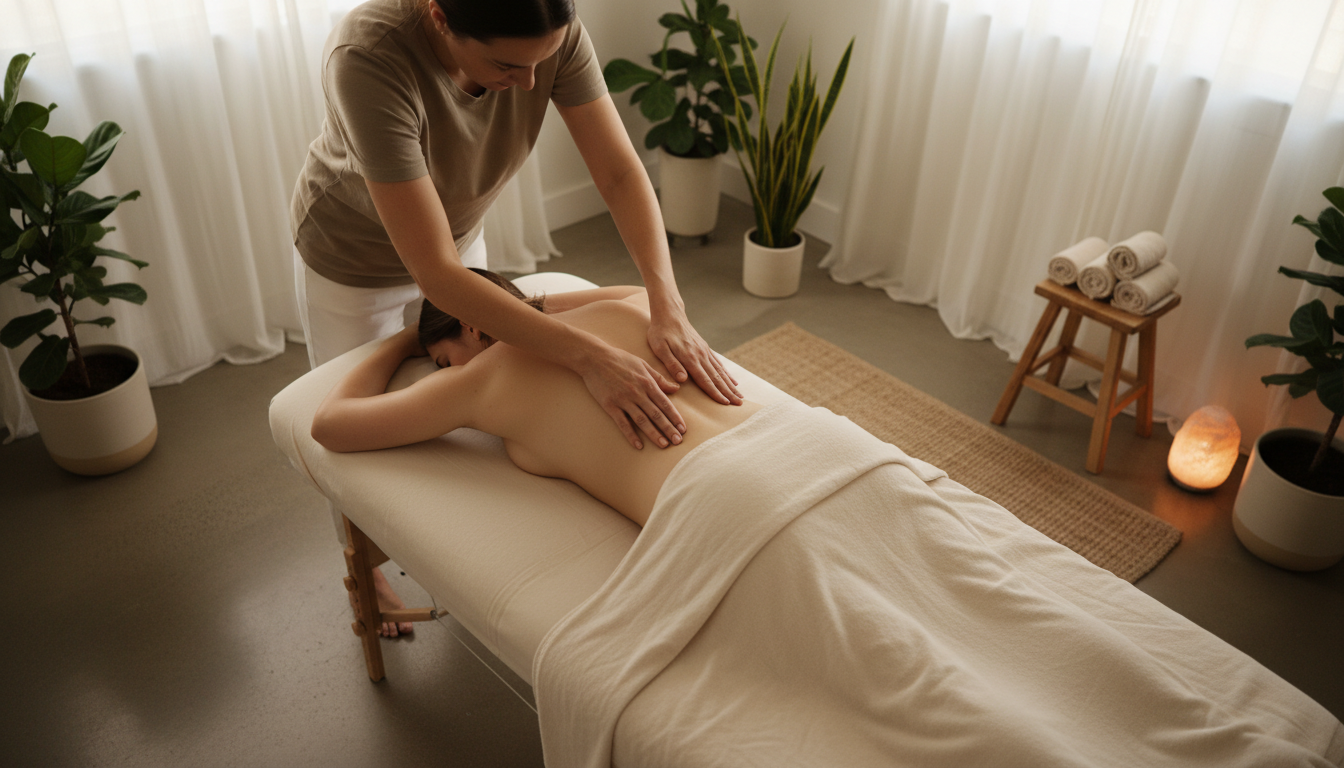
Massage therapy benefits include reduced muscle tension, decreased chronic pain, and improved circulation for better physical function. Regular sessions also promote mental wellness by lowering stress, enhancing sleep quality, and supporting a faster return to daily activities.
Most people view persistent shoulder tension or a dull lower back ache as an inevitable tax on a modern lifestyle. Whether you are navigating the physical demands of athletic training or the sedentary strain of desk work, these physical signals often represent a deeper physiological imbalance. Ignoring these cues does more than just prolong discomfort; it inhibits your body's natural ability to recover and maintain peak cognitive function. Understanding massage as a clinical necessity rather than a fleeting luxury is the first step toward reclaiming your vitality and long term health. In this comprehensive guide, we will explore how targeted therapy optimizes musculoskeletal recovery, calms the nervous system, and strengthens immune response. You will also learn to identify when your body is signaling for intervention and how specialized techniques cater to specific life stages, ensuring a sophisticated approach to your personal wellness journey.
The Evolution of Massage: From Luxury to Essential Healthcare
Massage therapy has undergone a significant transformation in recent decades. While once viewed primarily as an occasional indulgence or a luxury spa treatment, it is now firmly established as a clinical tool for physical recovery and long-term health maintenance. For residents in the Gin Gin region, where many people work in demanding agricultural, mechanical, or trade-based roles, the shift toward viewing massage as essential healthcare is particularly relevant. Sustaining a career in these physically taxing environments requires more than just rest; it demands proactive musculoskeletal care.
Integrating professional massage therapy services into a regular health routine helps manage the cumulative strain placed on the body by repetitive lifting, driving, and manual labor. At Gin Gin Massage, we view this work as a vital component of career longevity. The various massage therapy benefits extend beyond simple relaxation, providing a foundation for functional movement and injury prevention. To achieve a truly holistic recovery, we often combine traditional soft tissue work with advanced modalities like Scenar therapy for pain and targeted sports therapy. This clinical approach ensures that we address the root cause of discomfort rather than just the symptoms, shifting the focus from temporary relief to sustainable, long-term wellness for our local community.
Primary Physical Massage Therapy Benefits: Pain Relief and Recovery

The physiological impact of soft tissue manipulation is grounded in the science of circulation. When a therapist applies targeted pressure to muscle fibers, it facilitates the movement of blood through congested areas. This mechanical action allows new, oxygenated blood to flow into the tissue, providing the essential nutrients required for cellular repair while simultaneously flushing out metabolic waste products like lactic acid. For clients dealing with acute injuries or the persistent dull ache of chronic conditions, this process is fundamental to reducing inflammation and restoring functional mobility.
One of the most significant massage therapy benefits is the systematic management of joint stiffness and muscle tension. In the Gin Gin region, many clients present with physical strain resulting from repetitive manual labor or long hours operating heavy machinery. While a standard relaxation massage focuses on the superficial layers of the skin to calm the peripheral nervous system, clinical modalities like deep tissue and sports therapy target the deeper layers of fascia and connective tissue. These techniques are particularly effective for complex issues such as lower back pain and sciatica, where compressed nerves or myofascial trigger points require specific, firm pressure to release and realign.
Clinical evidence supports this targeted approach; for example, a 2011 study published in the Annals of Internal Medicine demonstrated that massage was as effective as other conventional medical treatments for chronic back pain. By addressing the physical adhesions that bind muscles together, a practitioner can help restore the natural glide of tissues. This not only alleviates immediate pain but also corrects the underlying postural imbalances that often lead to recurring injuries. If you are experiencing persistent discomfort that inhibits your daily movement, you can contact our Gin Gin clinic to discuss how a tailored treatment plan can facilitate your physical recovery.
Surprising Benefits of Massage Therapy for Mental Health and Focus

The transition between the alignment of physical tissues and the alignment of the mind is seamless. Beyond the mechanical repair of muscle fibers, the cognitive and emotional massage therapy benefits are driven by a complex neurochemical response. Clinical research indicates that professional bodywork can significantly reduce levels of cortisol, the hormone responsible for the fight or flight response. When cortisol is chronically elevated, it contributes to feelings of persistent anxiety and can interfere with sleep and digestion. By suppressing this stress hormone, massage therapy provides the nervous system a necessary reprieve, helping to settle the mind.
This hormonal shift is complemented by the increased production of serotonin and dopamine. These neurotransmitters are vital for managing depression and enhancing overall mood stability. For our clients in the Gin Gin community, this chemical recalibration acts as a buffer against the psychological toll of demanding manual work and the mental load of managing a household or business. By fostering a more balanced internal environment, regular sessions help build emotional resilience.
### Sharpening Focus A primary reason clients report improved mental clarity after a session is the immediate effect on the autonomic nervous system. Massage prompts the body to move into a parasympathetic state, which naturally slows the heart rate and deepens breathing. This deceleration allows the brain to exit a state of constant high alert. When the physiological markers of stress are lowered, the white noise of daily stressors subsides, allowing for a sharper focus and better decision-making capabilities. This mental quietude is not just a side effect of relaxation; it is a functional improvement in how the brain manages its daily energy reserves, making it easier to return to work with a clear, calm perspective.
Immunity and Internal Health: What Happens Below the Surface
The physiological shifts triggered by massage extend deep into the immune system, providing a layer of protection that is often overlooked. While many appreciate the surface level relaxation, the biological impact on the lymphatic system is profound. The lymphatic system lacks a central pump like the heart; it relies primarily on muscle movement and external pressure to transport lymph fluid, which carries waste products and toxins away from bodily tissues. Professional manual manipulation facilitates this drainage, ensuring the body processes metabolic byproducts more efficiently. This internal cleaning process is essential for maintaining systemic health, particularly for those whose bodies are regularly taxed by the physical demands of regional work.
The immune boosting properties of bodywork are supported by concrete clinical research. A 2010 study published in the Journal of Alternative and Complementary Medicine revealed that a single session of Swedish massage can produce measurable changes in the body's immune response. Researchers identified a significant increase in the number of lymphocytes, specifically "Killer T cells," which play a critical role in defending the body against pathogens and viral infections. By naturally stimulating the production of these cells, massage therapy benefits include a more robust defense mechanism against seasonal illnesses and fatigue. This shift from a stressed state to an optimized physiological state demonstrates that professional massage therapy services serve as a proactive measure for internal resilience rather than just a remedy for sore muscles.
Tailored Benefits for Different Life Stages: Athletes, Elderly, and Pregnancy

Understanding that a client’s physiological needs change over time is central to providing effective care. For local athletes and those engaged in high-intensity manual work, the primary massage therapy benefits center on maintaining tissue elasticity. Intense physical activity can cause muscle fibers to become rigid and prone to micro-tears. Regular sports therapy sessions focus on keeping the fascia supple and improving range of motion, which acts as a direct form of injury prevention. By ensuring the muscles can handle sudden loads or repetitive movements, athletes can sustain their performance levels without being sidelined by preventable strains.
As the body ages, the focus of treatment shifts toward maintaining independence through improved mobility and circulation. For the elderly members of our Gin Gin community, massage serves as a non-invasive tool for arthritis management. Gentle manipulation of the soft tissue around joints helps to reduce the inflammation and stiffness associated with wear and tear. Furthermore, by stimulating blood flow to the extremities, these sessions can alleviate the discomfort of poor circulation and help maintain the balance and coordination necessary for daily activities. This preventative care is a cornerstone of maintaining a high quality of life during the later years.
Pregnancy introduces another set of unique physical challenges that require a specialised approach. During this time, the body undergoes rapid structural changes, often resulting in significant strain on the lower back and pelvis as the center of gravity shifts. Targeted treatments help to alleviate this pressure while also addressing the common issue of swelling, or oedema, in the legs and ankles. By encouraging lymphatic drainage and reducing muscle tension, professional massage therapy services provide a safe way to manage the physical discomforts of pregnancy. This support allows expectant mothers to maintain their physical well-being throughout each trimester, ensuring the body remains resilient under the additional weight and hormonal changes.
How to Know Your Body Needs a Massage: Recognising the Signals
Understanding when to book a session involves paying close attention to subtle physiological cues before they escalate into debilitating pain. One of the most common indicators is the onset of frequent tension headaches, which often stem from tightness in the neck and shoulders. If you notice a restricted range of motion, such as difficulty checking your blind spot while driving or stiffness when reaching overhead, your muscles are likely guarding against underlying strain.
Rest is not always a sufficient remedy for persistent issues. If nagging niggles in your lower back or joints remain after a full night of sleep, it suggests that the soft tissue requires manual intervention to break down adhesions. Furthermore, poor sleep quality and a general inability to find a comfortable resting position are clear signals that your nervous system is in a state of hyper-arousal. Recognising these early warning signs allows you to experience the full massage therapy benefits by addressing imbalances before they become chronic injuries. By choosing professional massage therapy services, you can reset these signals and restore functional movement.
Massage Safety: Are There Parts of the Body to Avoid?
While the physical and mental massage therapy benefits are extensive, clinical safety requires an expert understanding of endangerment sites. These are specific regions where nerves, major blood vessels, or vital organs sit close to the surface without the protection of dense muscle. Applying deep, sustained pressure to these zones can lead to complications rather than relief.
Professional practitioners are trained to modify techniques or avoid these five primary areas: 1. The anterior triangle of the neck, containing the carotid artery and jugular vein. 2. The axillary area (armpits), which houses sensitive nerves and lymph nodes. 3. The antecubital fossa at the inner elbow. 4. The popliteal fossa located directly behind the knee. 5. The inguinal triangle near the groin, where the femoral nerve and artery are exposed.
By choosing professional massage therapy services, you ensure your session is guided by anatomical knowledge. This professional oversight guarantees that while your muscles receive the necessary attention, your body's vulnerable structures remain protected.
Ultimately, integrating massage therapy into your routine is a powerful way to sustain both physical vitality and mental clarity. By addressing the root causes of tension and stress, you can foster a more resilient version of yourself. If you want expert help navigating your path to wellness, we encourage you to learn more about our dedicated team. We are committed to providing the professional support necessary to help you feel your very best every day.