Sports therapy Gin Gin accelerates muscle recovery and enhances physical performance by reducing inflammation and minimizing delayed onset muscle soreness. These treatments improve circulation and flexibility while easing tension, which helps active locals prevent injuries and return to their training routines with minimal downtime.
Living an active life in Gin Gin is a privilege, but it often comes with a physical price that many locals simply accept as normal. Whether you are dealing with persistent muscle tightness after a long shift or the sharp ache of training fatigue, these physical barriers can quickly turn your daily movements into a chore. At Gin Gin Massage, I believe that while movement is a gift, recovery is an absolute necessity for longevity. In this post, I will explain exactly what sports therapy Gin Gin involves and who can benefit most from these specialized techniques. We will explore how sports massage addresses muscle tension, the reality of managing DOMS, and how advanced tools like Scenar therapy target stubborn issues. By the end, you will have three practical ways to support your recovery at home and keep your body moving freely.
Why I believe movement is a gift and recovery is a necessity
Living in Gin Gin, I see firsthand that movement is a fundamental gift. It is the engine behind our community, visible in every sunrise over a paddock and every weekend match at the local grounds. I believe that being able to work your land, maintain a garden, or compete in local sport is a privilege that deserves protection. Too often, I meet residents who have resigned themselves to chronic stiffness or recurring back pain; they view these struggles as an inevitable tax on a life of hard work or simply a sign of getting older.
My philosophy at Gin Gin Massage is built on the idea that if movement is the gift, then recovery is the necessity that sustains it. We often prioritize the "doing" of the work while neglecting the maintenance required to keep going. By providing dedicated sports therapy Gin Gin residents can rely on, I aim to help you move better for longer. This includes tailored sports therapy services designed for the unique demands of our regional lifestyle. It is not just about elite athletes; it is about the producer who spends ten hours in a tractor or the grandparent who wants to stay active in the yard without discomfort. You can read more about our approach to wellness to see how we shift the focus from merely "pushing through" to providing the professional recovery treatments your body needs to thrive.
What is sports therapy Gin Gin and who is it really for?
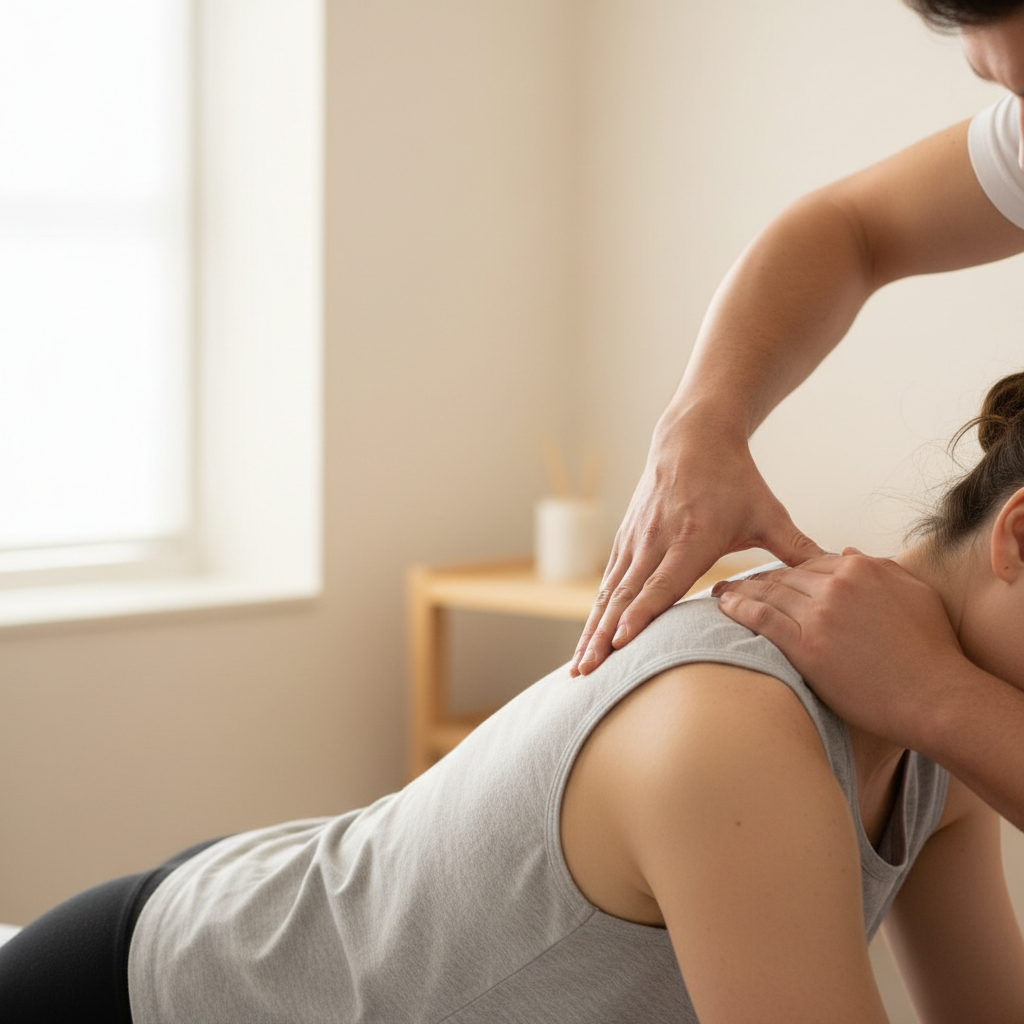
Many people hear the term "sports therapy" and immediately picture professional athletes in high-tech training facilities. While elite competitors certainly utilize these methods, the reality of sports therapy Gin Gin residents experience is far more practical and inclusive. At its core, this discipline is about managing and preventing injuries, as well as optimizing the way your body moves under stress. It does not matter if that stress comes from a competitive match or a twelve hour shift in the paddock.
If your daily life involves intense physical exertion, you are an athlete in your own right. A producer spending long hours on their feet during harvest, a tradesman navigating uneven ground, or a local footy player all put significant demand on their musculoskeletal systems. Sports therapy provides a structured way to manage these demands through clinical reasoning rather than just general pressure.
Unlike a standard relaxation session, this approach begins with a specific assessment of your movement patterns. We look at where your body is overcompensating and where muscles have become chronically tight or inhibited. The treatment itself involves targeted soft tissue work, but the process does not end when you get off the table. A key component of our tailored sports therapy services is the development of a recovery plan. This might include specific stretches or lifestyle adjustments to keep your body moving efficiently. By accessing professional recovery treatments, you are investing in a system that identifies potential issues before they become debilitating injuries. This proactive stance ensures that you can continue to meet the physical requirements of your lifestyle without being sidelined by avoidable pain.
The hidden toll of daily activity: Why recovery after training and work is essential
Every time you challenge your body, you are creating microscopic damage to your muscle fibers. This is a natural part of physical progress, but the way you manage the aftermath determines your long term mobility. People often ask, why is recovery after training important? The answer lies in the biology of repair. When you engage in strenuous activities, such as a challenging hike up Mount Perry or a full day of bowling at a local cricket match, your muscles undergo fatigue and sustain micro-tears. Without a period of intentional rest and support, these small structural changes do not heal optimally. Instead, the body attempts to protect the area by tightening the surrounding tissue, leading to the chronic stiffness so many of us feel.
This hidden toll is not limited to sport; it is equally prevalent in the physical labor that defines our region. Repetitive movements, like lifting equipment or operating machinery, cause certain muscle groups to remain in a constant state of contraction. Over time, this cumulative stress reduces blood flow and traps metabolic waste, which contributes to persistent aching. By integrating professional recovery treatments into your routine, you interrupt this cycle of tension. Our approach to sports therapy Gin Gin ensures that these minor physiological stresses are addressed before they evolve into long term dysfunction. Recovery is not a luxury or an admission of weakness; it is the process of allowing your muscle fibers to realign and strengthen, ensuring you are ready for the next day on the land or the next game on the field.
How sports massage helps ease muscle tightness and supports recovery
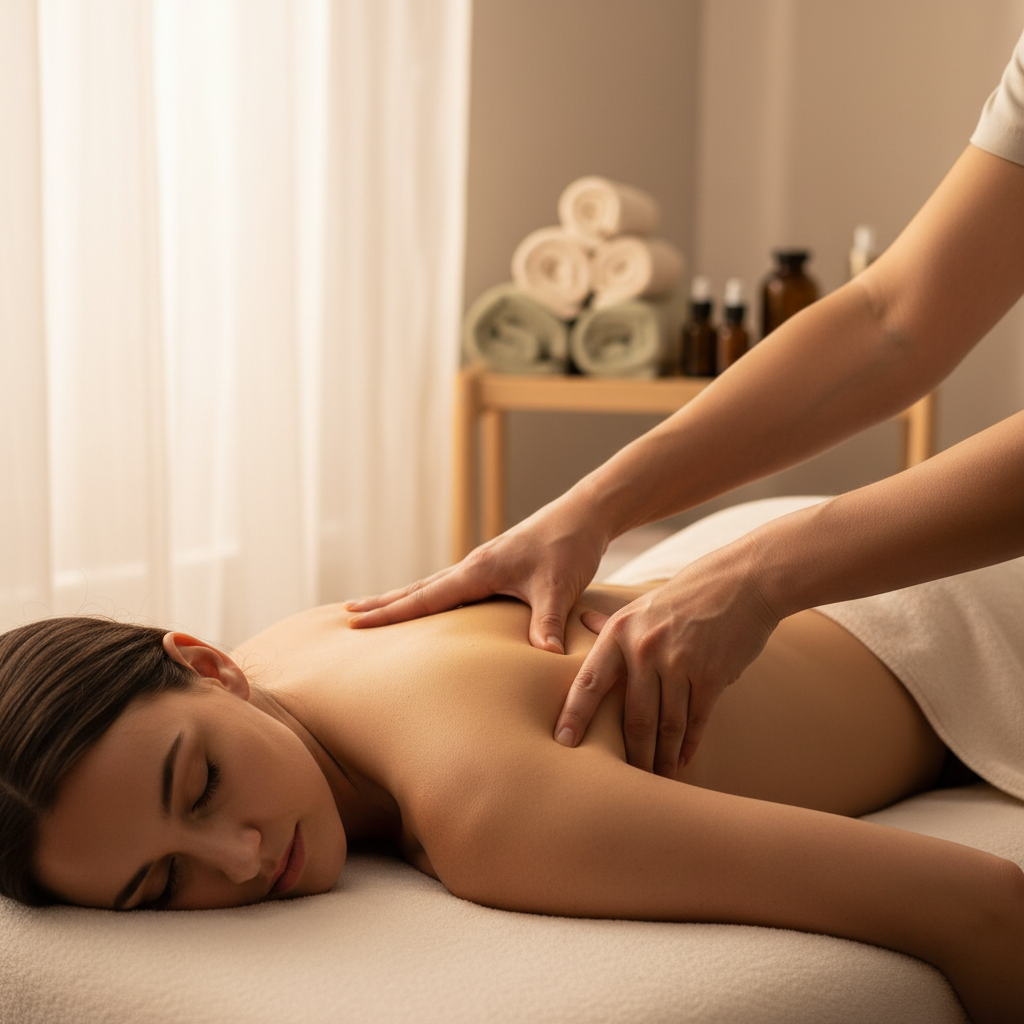
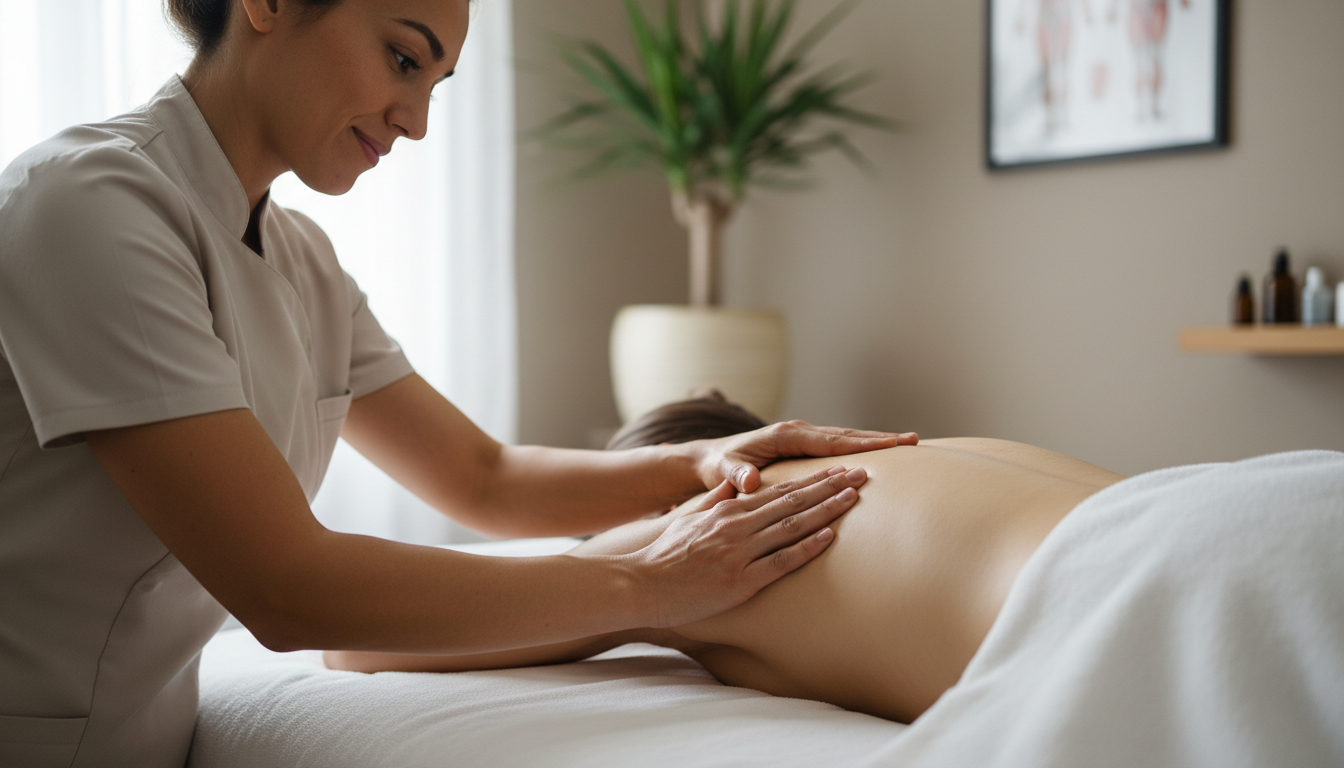
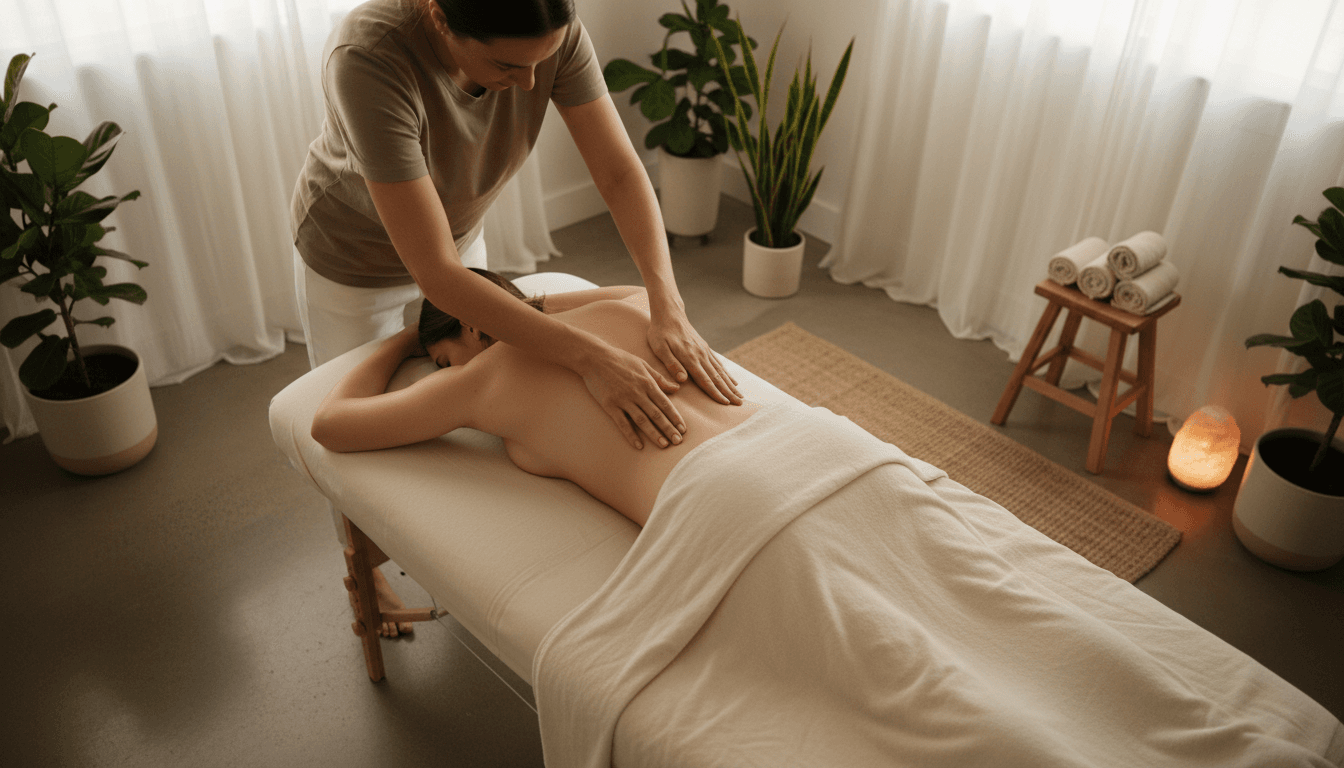
Applying manual pressure through sports massage initiates a sequence of physiological repairs that go far beyond simple comfort. When muscles become tight, they often compress small blood vessels, which restricts the delivery of oxygen and nutrients needed for tissue repair. By using specific techniques, I work to restore this circulation. This increased blood flow acts as a flushing mechanism, helping to clear out metabolic waste products that accumulate during heavy physical work or training.
Furthermore, targeted massage for tight muscles addresses the structural integrity of the tissue. When muscle fibers sustain micro-tears, they do not always knit back together in a neat, linear fashion. They can become tangled or form adhesions, which we commonly experience as knots. The techniques used in sports therapy Gin Gin help to realign these fibers, encouraging them to heal in a way that preserves elasticity rather than creating rigid scar tissue. This process directly reduces local inflammation and eases the chemical signals that trigger pain.
It is important to distinguish this from a standard relaxation massage. While a spa-style massage focuses on soothing the nervous system and providing general ease, the tailored sports therapy services I provide are diagnostic in nature. I am not just addressing the surface; I am identifying dysfunctional movement patterns, such as a shoulder that rounds forward due to a tight chest or a hip that hitches because of a shortened glute. By focusing on these specific biomechanical issues, we can restore a full range of motion. This clinical focus ensures that the professional recovery treatments you receive are addressing the root cause of your stiffness, rather than just masking the symptoms. You can learn more about our approach to wellness to see how these targeted techniques fit into a broader plan for long term physical health.
Understanding DOMS: Is it good to get a massage after training?
Delayed Onset Muscle Soreness, or DOMS, often catches people by surprise a day or two after a heavy stint of fencing or a weekend match. You might wonder if booking a session immediately after exercise is the right move. The answer depends on your specific goal. If you seek treatment directly following intense activity, the focus should be on gentle techniques that support lymphatic drainage. This light touch helps the body move fluid and reduce the initial swelling that follows physical exertion.
However, for the deeper corrective work involved in sports therapy Gin Gin, the sweet spot for a visit is typically 24 to 48 hours later. By this time, the initial acute inflammation has peaked, allowing me to work more effectively on the underlying muscle fibers without causing unnecessary discomfort. This timing ensures you get the most out of professional recovery treatments by addressing the soreness once the body has begun its natural repair cycle.
To maintain flexibility between your sessions, prioritize active recovery. Gentle walking or light movement keeps blood circulating through healing tissues, preventing the stagnant stiffness that leads to knots. Hydration is equally critical; water is the primary transport mechanism for the nutrients your muscles need to rebuild. You can read more about our approach to wellness to understand how these daily habits complement your tailored sports therapy services and keep you performing at your best.
Beyond the hands: How we use Scenar therapy for stubborn recovery
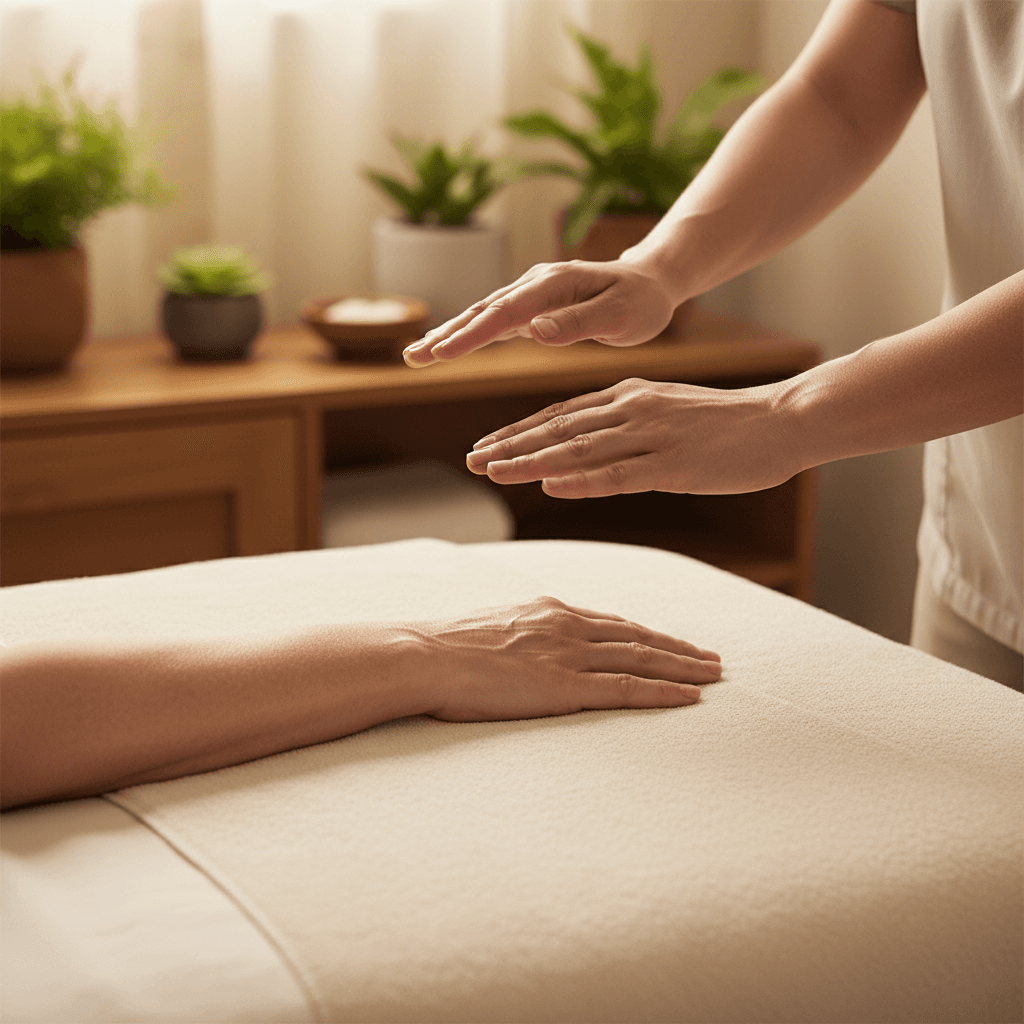
While manual techniques are powerful, some injuries require a more direct conversation with your nervous system. This is where I incorporate Scenar therapy into my tailored sports therapy services. Unlike a standard massage that focuses solely on manipulating soft tissue, Scenar (Self-Controlled Energo-Neuro Adaptive Regulation) uses biofeedback to identify specific areas of neurological distress. It sends gentle electrical impulses that mimic the body's natural nerve signals, prompting the brain to release neuropeptides, which are the body's primary healing chemicals.
For many residents in our community, chronic issues like old shoulder injuries or persistent lower back tension have become stagnant, meaning the body has essentially stopped trying to heal the area. Scenar therapy effectively restarts that process. By combining this technology with traditional professional recovery treatments, I can target deep seated dysfunction that manual pressure alone might struggle to resolve. This dual approach is a core part of the sports therapy Gin Gin clients receive at my practice; it bridges the gap between manual relief and systemic neurological healing. You can find out more about our approach to wellness and how we integrate this specialized technology to ensure your recovery is as efficient as possible, especially when dealing with stubborn, long term discomfort that has resisted other treatments.
Three simple ways to support your recovery at home
Recovery does not stop when you leave the clinic. To get the most out of your professional recovery treatments, start with consistent hydration. Think of your muscles like a sponge; when they are dehydrated, they become brittle and less pliable. Drinking a full glass of water immediately after a session and maintaining high intake throughout the day ensures that the metabolic waste we have shifted can be efficiently processed by your kidneys. This is especially vital in our Queensland heat, where even a routine morning in the garden can lead to significant fluid loss.
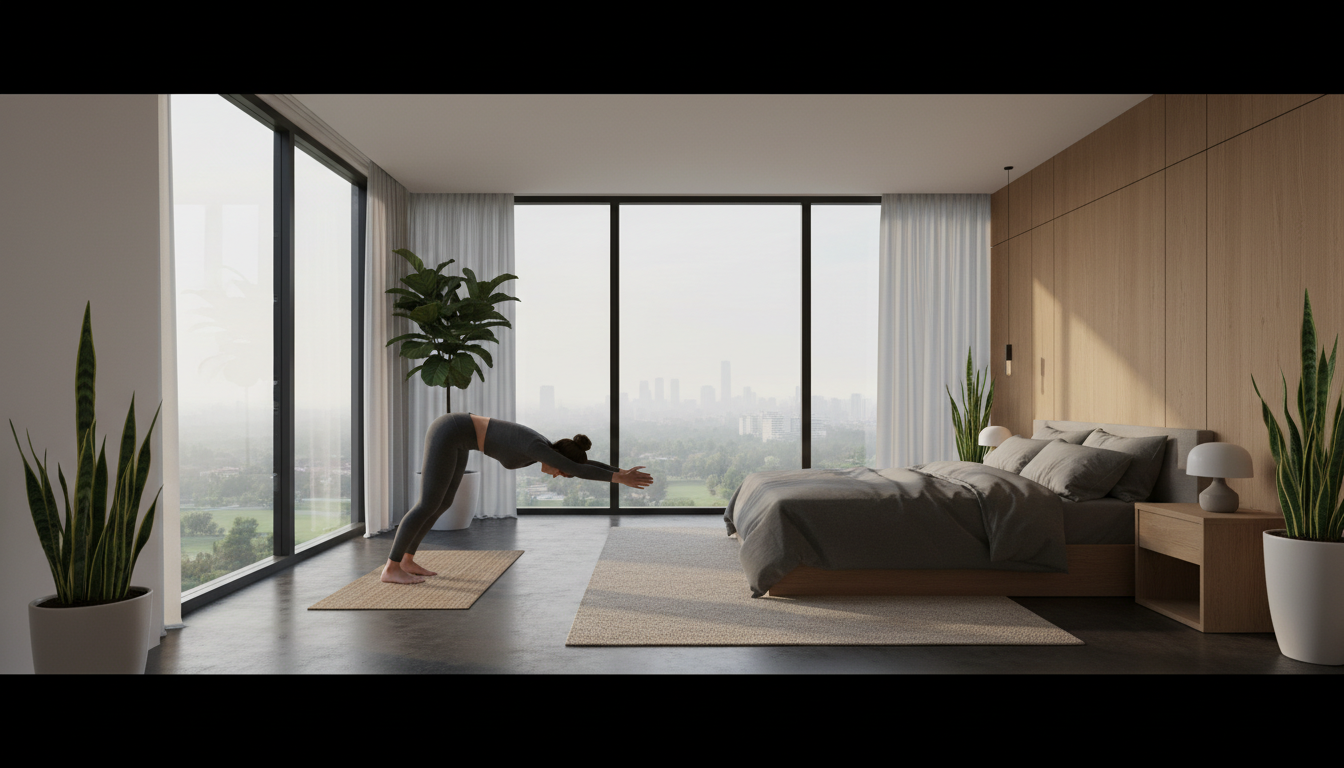
Incorporating gentle stretching into your evening routine helps maintain the gains made during sports therapy Gin Gin. Focus on slow, rhythmic movements rather than aggressive pulling. For example, if you have spent the day bending over fencing wire or driving, a simple chest opener or a light hamstring stretch can prevent those muscles from shortening overnight. The goal is to signal to your body that it is safe to let go of the tension it held during the day's work.
Finally, do not underestimate the power of mindful breathing. Taking five minutes to sit quietly and breathe deeply into your belly shifts your nervous system from a stressed state into a restorative mode. This physiological shift is crucial for tissue repair. By combining these home habits with tailored sports therapy services, you create a sustainable cycle of care. You can find more details about our approach to wellness to see how these small daily actions integrate with our clinical work to keep you moving freely.
Maintaining an active lifestyle is a wonderful commitment, but it requires a careful balance of movement and recovery to keep your body at its best. Taking the time to understand your physical needs can prevent injury and enhance your performance. If you want expert help navigating your recovery journey, you can learn more about our team and mission here. We believe that professional support makes all the difference, and we are dedicated to helping every local athlete stay on their feet.